What to check before buying a used car [complete checklist]
Are you getting ready to buy a used car? Here's a list of things to check before you sign on the dotted line.

Buying a car is a big deal. So, it's no wonder many people approach the process with a level of caution.
After all, this will likely be your ride for a while. If it's not what you bargained for, you'll wish you'd thought harder about your purchase.
On top of this, car dealers have a reputation for being aggressive and manipulative. This is far from the truth – speaking for ourselves, at least – but it does colour some customers' visits to the showroom.
So, what should you check before you buy? The answer to this question covers:
- 📋 The vehicle's paperwork and history
- 🚙 Its exterior and bodywork
- 🔧 What's under the bonnet
- ⚡️ The electrics
- 🛞 How the handling feels on a test drive
It's a lot. The good news is that if you buy from an
RAC Approved Dealer like us, most of this has been done for you. That can't be said for the majority of private dealers.
Whoever you buy from, here's a checklist of things to tick off before you drive away from the dealership. We hope it helps you have a stress-free purchasing experience.
1. Paperwork
A major danger of buying from a private seller is that it can be hard to find out the vehicle's history. Is the car exactly what the dealer says it is?
This concern is one of the main reasons why people choose to buy from RAC Approved Dealers.
To learn about a vehicle's history, your first port of call should be the V5C logbook. This is the official DVLA document that registers the vehicle and names its keeper.
Before buying a used car, make sure the vehicle identification number (VIN) matches the car. If you're buying from a private seller, make sure the keeper's name and address match theirs.
You should then go to the
official DVLA vehicle history checker
to find out:
- Where the car was first registered
- The size of the engine
- The type of fuel it takes
- Its tax status
- Its colour
It will also tell you if the car has outstanding finance, has been written off or has had its mileage clocked.
After this, you can use the
official MOT lookup tool
to find past test results, mileage records, advisories and reasons for failure.
Finally, on the paperwork front, you should check the service book, looking for evidence that the car was regularly serviced.
☐ V5C logbook
☐ Vehicle history
☐ MOT
☐ Service book
2. The exterior
Next, you should check the exterior of the car you're about to buy. At its most basic, this involves walking around the car and looking for any obvious marks, defects or problems. But there are a few things that might not be immediately obvious on a walkaround.
First, you should take a look at the panel gaps – for instance, where a door meets a wing or where a bonnet meets a headlight. Any mismatches or patchy paintwork point to shoddy repair jobs after an accident.
You should then check the wheel arches and sills and under the boot carpet for any structural rust.
Finally, take a good look at the tyres. They should be in good condition and above the minimum legal tread depth (1.6mm). If not, you could be in a position to negotiate.
☐ Panel gaps
☐ Rust
☐ Tyres
3. What's under the bonnet?
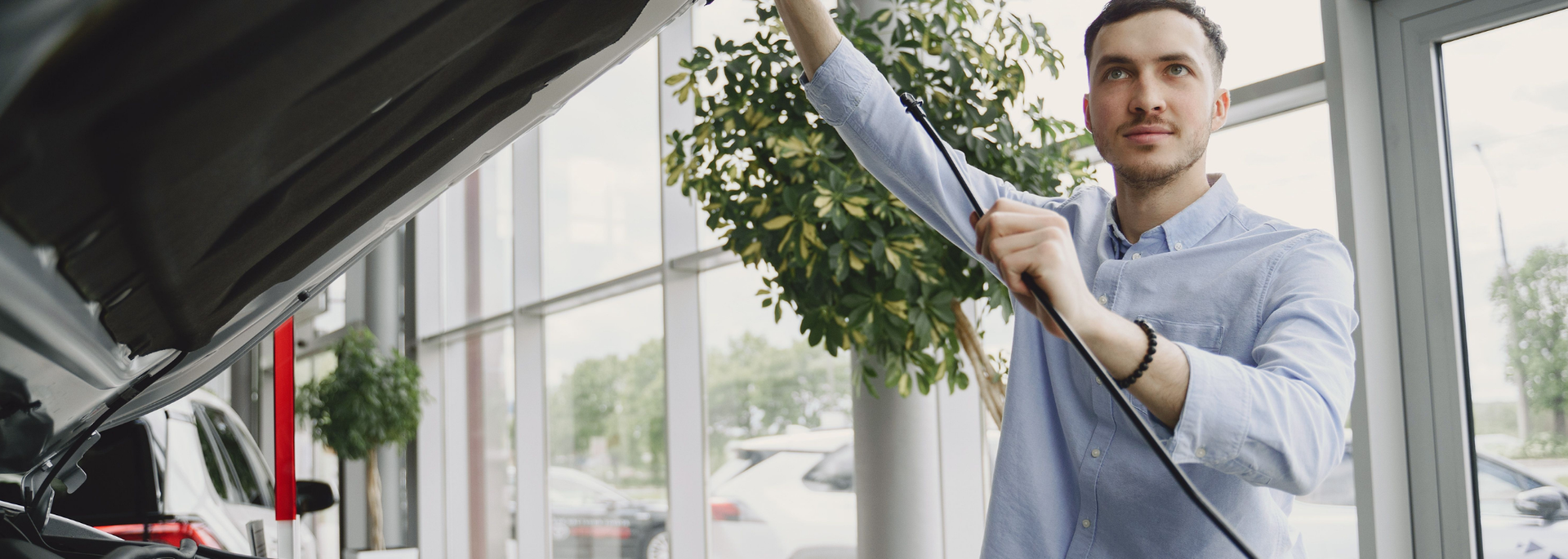
Before you commit to buying a car, you should look under the bonnet.
This involves looking for any leaks – telltale signs are fresh patches of oil or drips below the engine. You should also check the oil and coolant for any discolouration or dirt.
Last but not least, you should check the suspension. This is easily done: simply push down on each corner of the car. If it rocks up and down, you've got a problem. If it bounces and quickly settles, you're good to go.
☐ Leaks
☐ Oil and coolant
☐ Suspension
4. Checking the interior and electrics
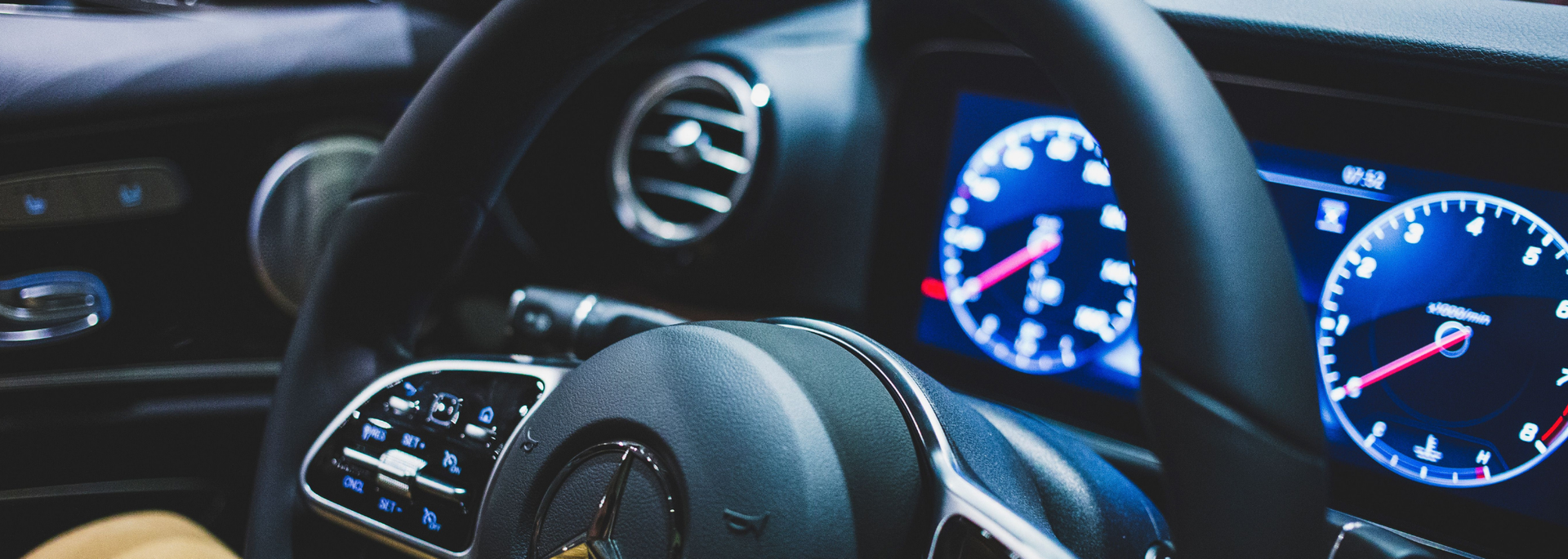
The interior of the car is as important as the exterior, for obvious reasons. Check for any wear and tear on the pedals, steering wheel and seats. If it doesn't fit the reported mileage, the seller may be trying to hoodwink you.
Next, check all electrics – air con, windows, infotainment and windscreen wipers.
Finally, you should check that the warning lights work. Turn on the ignition and make sure all the warning lights on the dashboard turn on.
☐ Wear and tear
☐ Electronics
☐ Warning lights
5. Test Drive
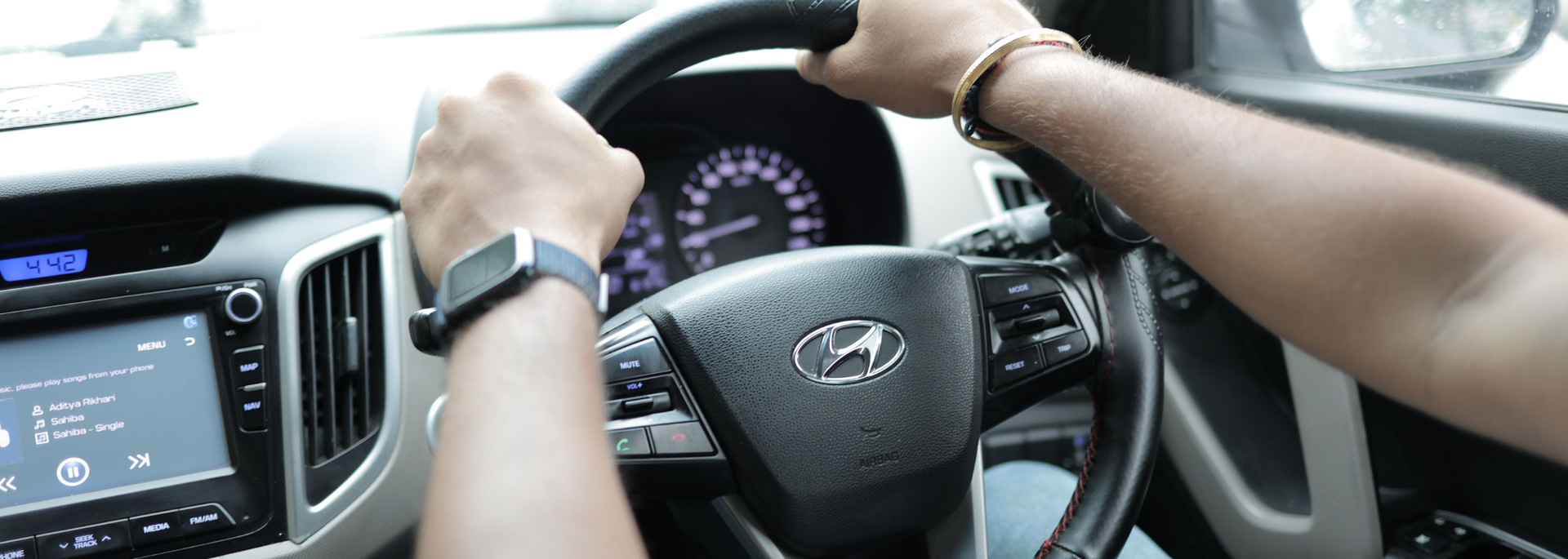
Last but not least, you should take the car for a test drive. The engine should start smoothly without any unusual taps, knocks or hisses.
When it's safe to do so, brake firmly. The car should stop in a straight line. If it pulls to one side, there's an issue with the brake.
You should also check that the gears shift smoothly without any resistance or grinding. In a manual car, check that the clutch doesn't slip when stepping on the gas.
☐ Starting up
☐ Braking
☐ Gearbox and clutch
The full used car buying checklist
Paperwork
☐ V5C logbook
☐ Vehicle history
☐ MOT
☐ Service book
Exterior
☐ Panel gaps
☐ Rust
☐ Tyres
Under the bonnet
☐ Leaks
☐ Oil and coolant
☐ Suspension
Interior and electrics
☐ Wear and tear
☐ Electronics
☐ Warning lights
Test drive
☐ Starting up
☐ Braking
☐ Gearbox and clutch
What next?
Once you've carried out these checks, you're ready to buy or apply for car finance.
It's worth noting that an RAC Approved dealer like us will have carried out most of these checks for you. That's one of the biggest reasons why people choose accredited dealers over private sellers.
When buying a used car, it's better to be safe than sorry. Check each item off the list and you'll boost your chances of a smooth purchase – and many smooth drives to come.
As an RAC Approved Dealer, Zoomo thoroughly checks all vehicles – including their history – before they go on sale. Are you looking for a used car in Newcastle? You can buy with confidence from us. Browse our full range of cars to get started.
Want to know where you stand?
Check your eligibility with a soft search. It will not affect your credit score.
Subject to status. UK residents aged 18+. We are a credit broker, not a lender.
Recent Posts