
The best time to buy a used car in the UK (and when to avoid it)
Some times of the year are better for buying used cars than others. Explore your options in our guide.
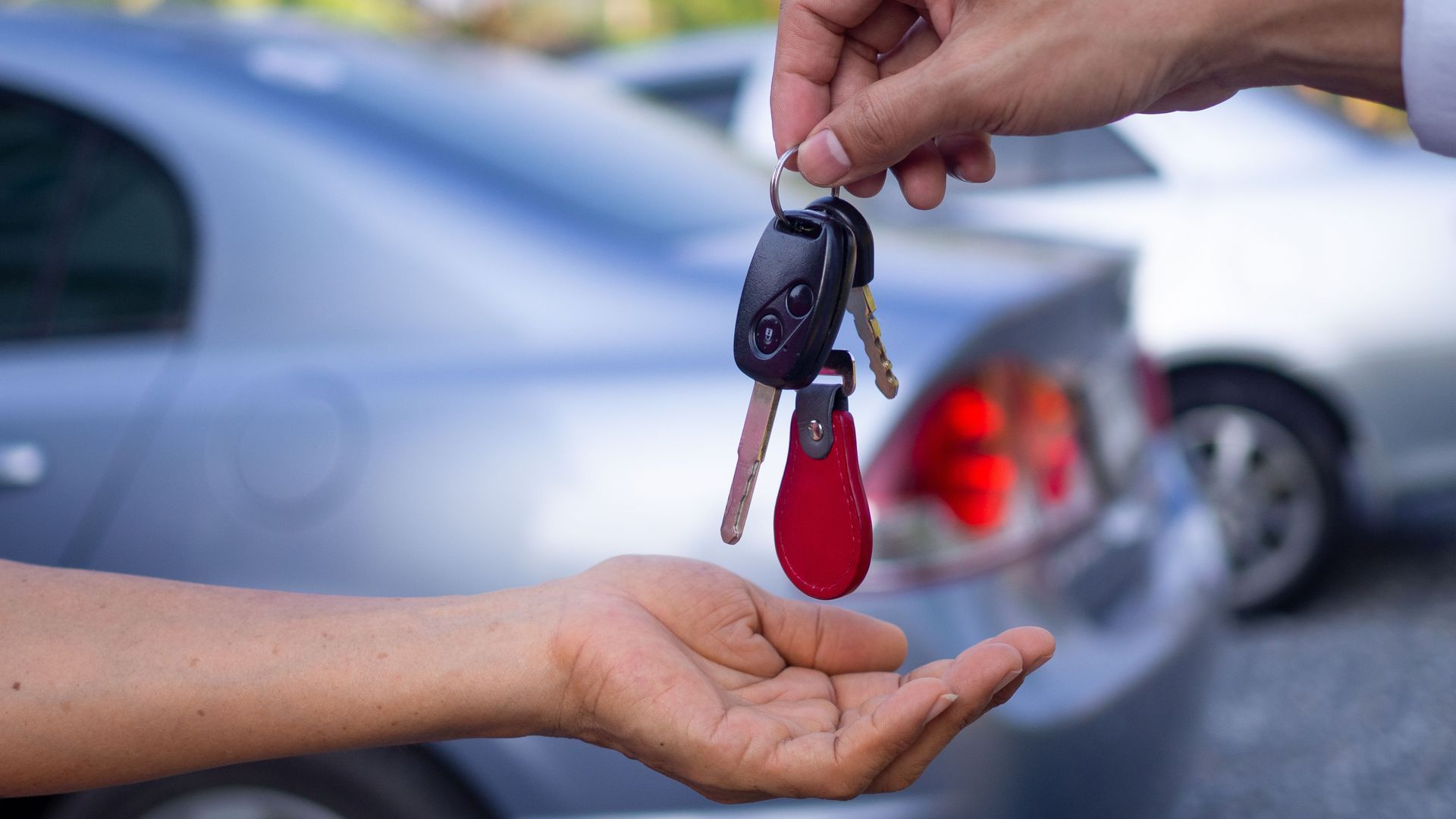
If you're looking to buy a used car in the UK, there are several things to keep in mind. There's your budget, of course – but there's also the kind of finance deal you're going for and even the time of year you're buying it.
Not all times of year, you see, are equally good for buying a used car. This is down to two main factors:
- The fact that number plates change at certain times of year
- The sales cycles and targets that dealerships plan their years by
This means your best bet is to start shopping before the new number plate changes in March and September or at the end of each financial quarter. That means March, June, September or December.
At these times of year, dealerships are keen to hit targets and get used cars off their forecourts and onto the roads.
It takes a bit of planning, sure. But it's a little bit of planning for potentially a whole lot of savings. Plus, the smile on your face as you drive away from the dealership will be priceless.
The best times of year to buy a used car
February and August
In February and August, dealerships scramble to clear old-reg stock before the new plates drop in March and September. This eagerness to get on top of the new registration plates means buyers are in a good position to bag a bargain.
There's another reason why February and August are good times of year to buy a used car. In the weeks surrounding these dates, many drivers trade in their cars. This swells the supply of used vehicles, which in turn can lead to lower prices.
The end of each financial quarter
The financial year is split into four three-month quarters, known as "Q1", "Q2", "Q3" and "Q4".
- Q1 runs from January to March
- Q2 runs from April to June
- Q3 runs from July to September
- Q4 runs from October to December
At the end of each quarter, salespeople often have targets to meet. This means they're much more likely to negotiate about the price of a used vehicle. They might even offer perks such as free servicing or an extended warranty.
Buyers can take advantage of this race to make sales. Simply make your purchase at the end of March, the end of June, the end of September or the end of December.
Out of season
Sometimes, buying out of season can work to your advantage.
In December and January, for instance, dealerships tend to experience low footfall. This is largely because people spend their money on Christmas in December and tighten their belts in January.
This relative lack of buyers can make the Christmas and New Year period a great time to find discounts at dealers and haggle with private sellers.
There are also seasonal trends for particular kinds of cars. For instance, dealers tend to sell more convertibles and SUVs in the summer months. Buying one in winter means you can take advantage of lower demand.
Midweek shopping
Shopping out of season takes advantage of the fact that demand for used cars dips and rises across the year. The same pattern applies on a smaller scale to the working week.
Head to a showroom on a Tuesday or Wednesday afternoon and you're likely to be one of only a handful of customers.
This can work to your benefit because you'll get more one-on-one attention from the sales staff, free from the weekend rush. And while more attention can mean more upselling, it can also mean better deals.
When to avoid buying a used car in the UK
The worst times to buy a used car in the UK are when demand is spiking. At these times of year, buyers have less wiggle room for negotiating.
Demand tends to surge in March and September when registration plates change. The forecourts are busy, so dealers don't need to entice customers with discounts.
The same goes for spring and early summer. Nicer weather usually translates into increased footfall. Demand is especially high for convertibles and SUVs.
At the weekends, people are out in their droves – and car dealerships are no exception. As with annual surges in demand, dealers don't need to offer discounts or bargains.
Shortages in particular models can drive up prices. This is something to check if you have your eye on a particular make and model.
Finally, you should watch for fluctuations in fuel prices. When fuel prices increase, demand rises for fuel-efficient models and hybrid cars. This drives prices up for these kinds of vehicles.
Why buy a used car?
Buying a used car makes your budget stretch further in three key ways:
- It reduces the upfront cost
- You pay less for insurance
- You avoid rapid depreciation (loss of value)
It also helps you afford a better – one you might not be able to afford at full price. Whether you're after a higher trim level, better tech or a luxury brand, buying used gives you a wider range of choice.
How we can help
At Zoomo, we help people across the North East of England get on the road with a high-quality used car. We're a trusted local dealership that specialises in bad credit car finance.
We're an RAC Approved Dealer with the AA Cars Standard. Our friendly and professional team will talk you through the process and have you on the road in no time.
So, if you're looking for a new set of wheels, browse our fleet of used cars for sale in Newcastle today. You can always expect a great deal – no matter the time of year.
Want to know where you stand?
Check your eligibility with a soft search. It will not affect your credit score.
Subject to status. UK residents aged 18+. We are a credit broker, not a lender.
Recent Posts