

Automatic vs manual: which should you buy on finance?
Want a car on finance but can't decide between manual and automatic? Explore running costs, finance costs, servicing and other considerations.

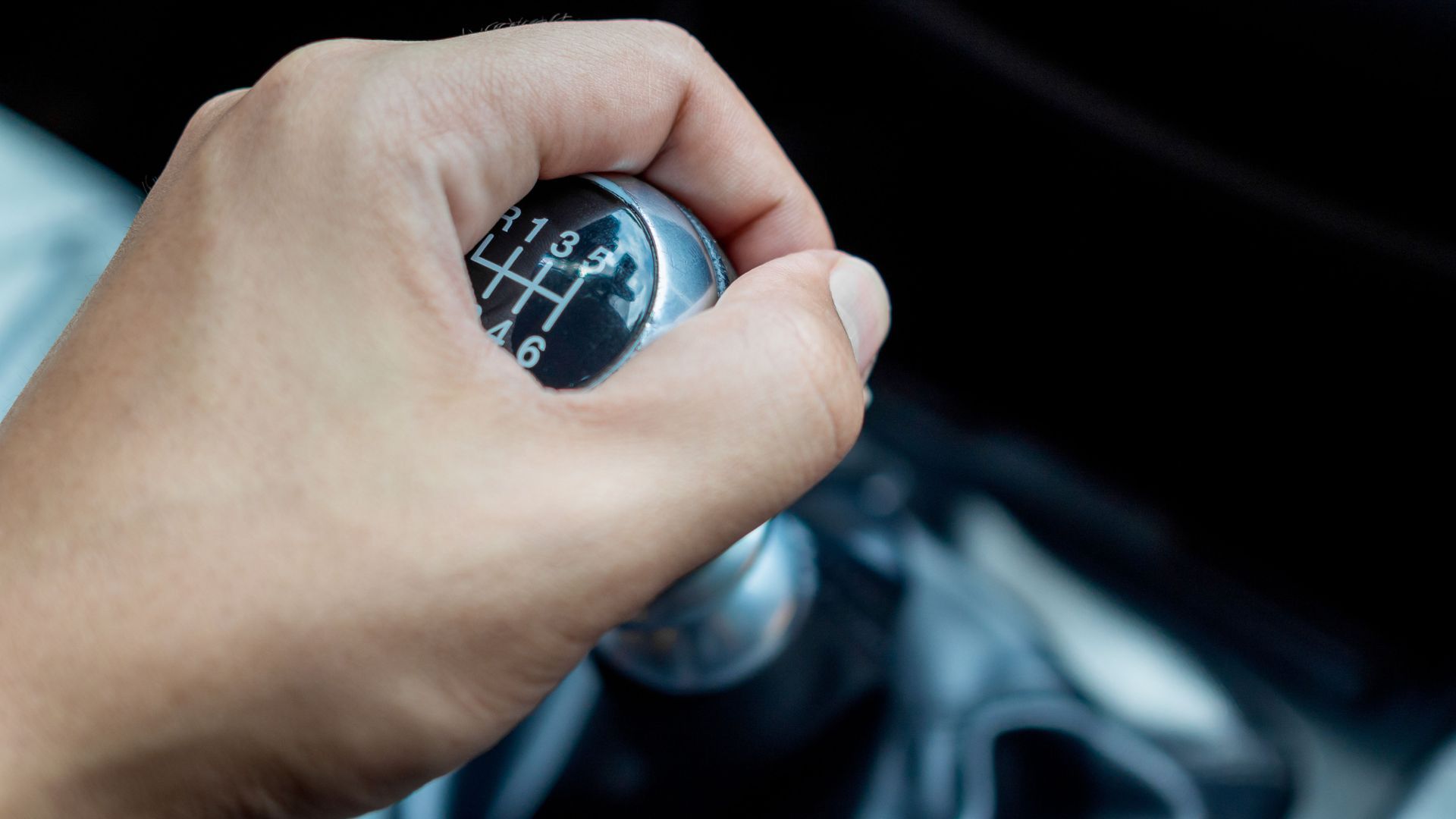
Around two-thirds of the cars on UK roads have a manual transmission. The driver holds the gearstick, presses the clutch and changes gears without help from the car.
Increasingly, however, drivers are turning to automatic cars and holding automatic-only licences. In August 2026, the AA reported that "automatic tests accounted for 29.4% of all car driving tests in 2025/2026, up from around four percent in 2007/08".
There are several advantages to driving an automatic. Driving in stop-start conditions like rush hour no longer involves constant clutch control, and learners can pay more attention to their position on the road.
Meanwhile, modern automatic gearboxes provide seamless gear changes. Plus, as we see more EVs and hybrids on the road, automatics look to be the way of the future.
But when buying a car on finance, is automatic or manual the way to go? How do running costs, insurance, finance costs, servicing and resale value affect your options? In this article, we find out.
Running costs
The old adage is that manuals are cheaper to run than automatics. This is no longer always the case, especially with modern cars.
In terms of fuel economy, manuals and automatics are pretty similar. A modern 1.5-litre petrol car with a manual transmission doing 10,000 miles a year could cost £1,455 a year in fuel. An automatic equivalent would cost around £1,515 a year.
That's just an example. The exact cost differences will depend on the age of the car and shifting fuel prices. But it's safe to say servicing and sticker price are more significant factors than fuel.
Servicing
On the whole, manuals are cheaper to service than automatics. The big differences lie with clutches on manuals and gearboxes on automatics.
Clutch replacements on manual cars are expensive. On average, they cost around £670. This price can go up if there are also problems with the dual-mass flywheel (DMF).
On automatics, meanwhile, a failed DSG, CVT or other automatic gearbox can cost thousands to repair.
It's a tricky cost to factor in. You never know, after all, when or if your clutch or gearbox will fail.
It's worth keeping in mind, however, if you're counting the pennies and not fully sold on either a manual or an automatic.
Sticker price
In the UK, automatic cars typically have a sticker price of around £1,000 to £2,000 more than an equivalent manual vehicle.
This is especially true of newer automatics with their sophisticated tech and hydraulic components.
And on the second-hand market, manuals have supply on their side. There are plenty of manuals on the market, pushing prices down.
This is changing, however. As the demand for automatics rises, the price gap between automatics and manuals is slowly but noticeably closing.
Insurance
In general, automatic cars are more expensive to insure than manuals.
There are a few reasons for this. One is the fact that automatic gearboxes are more expensive to repair than manual gearboxes. On top of this, automatics often have a higher spec and a higher price tag to match.
Finance costs
The difference in sticker prices for manual and automatic cars is reflected in car finance costs. Automatic cars have higher total vehicle costs, so monthly finance payments tend to be higher, too.
This is true for both hire purchase (HP) and personal contract purchase (PCP) agreements.
Resale value
The increasing demand for automatics and the decline in the manufacture of new manuals mean automatics generally hold their resale value better than manuals.
This is also due to the rise in automatic-only licences. An increasing number of second-hand buyers are legally unable to drive a manual, increasing the potential resale value of automatics.
There are exceptions. Some manual cars have collector's value or specific driving advantages. But on the whole, the trend is clear: if resale value is a priority, automatic is the way to go.
Key considerations
So, which is right for you? Take a look at these scenarios and decide which option best fits your situation.
Manual
- You want to pay less on finance.
- You want to get an older or cheaper used car.
- You don't want to risk paying for an automatic gearbox repair or replacement.
- You're happy with manual driving.
Automatic
- You can afford the extra on your monthly car finance repayments.
- Most of your driving is in congested areas ("stop-start" driving).
- You've got your eye on a newer, higher-spec car.
- Resale value is important to you.
Ultimately, it comes down to you – your budget, your driving circumstances and your plans for future sales and purchases. A car finance broker can offer pointers, but at the end of the day, you're the only real authority.
If you're making the decision based solely on budget, however, manual cars are cheaper and, for many, just as pleasurable to drive. This is true whether you're buying new or used, upfront or on finance.
Are all hybrid and electric vehicles automatic?
Full self-charging hybrids and plug-in hybrids are automatic. Mild hybrid (MHEV) models have a small electric motor and are sometimes paired with a traditional manual gearbox.
Meanwhile, most electric vehicles have a single fixed gear rather than a multi-gear transmission.
When were automatic cars invented?
The first automatic transmission dates from 1921, the work of Canadian engineer Alfred Horner Munro. The first mass-produced, commercial example, however, was General Motors' Hydra-Matic in 1940.
Can a manual driving licence holder drive an automatic car?
Yes, a manual driving licence holder can drive an automatic car. As the name suggests, however, you can't drive a manual car with an automatic-only licence.
Based in Newcastle upon Tyne, Zoomo is a car dealership specialising in bad credit car finance. Looking for an easy-to-drive runaround? Browse our automatic cars for sale in Newcastle today.